Low Water Pressure in Your North Georgia Home: What to Check First
What should you check first when water pressure drops? Note whether the problem affects one fixture or the whole house, hot water or both hot and cold, and whether it began suddenly or gradually. Also identify whether the property uses public water or a private well. Those observations help narrow the investigation without guessing at a repair.
What feels like low pressure may be restricted flow at a fixture or a supply problem farther upstream. A plumber may need measurements and an on-site review to tell the difference. Avoid adjusting regulators or well controls just to make a gauge read higher.
One faucet or the entire home?
If only one faucet has weak flow while others behave normally, the fixture and its local connections are useful starting points. Describe whether the change affects hot and cold equally. If several fixtures are weak, explain whether they are on the same floor or in different parts of the home.
Do not force an unfamiliar shutoff valve or dismantle plumbing to test a theory. A clear description of the pattern can guide a plumbing repair assessment without creating another problem.
Did the change happen suddenly?
A sudden drop deserves a different conversation from a shower that has always weakened when the washing machine runs. Note recent plumbing work, an interruption in water service, a freeze, or changes to water-treatment equipment. For public water, check your utility's current service notices or contact it about a possible supply interruption.
Look for visible leakage only from a safe, accessible location. If there is an active leak, isolate the water if safe and seek prompt help. If the change followed freezing weather, tell the provider before attempting to use the system further.
Private wells need a system-level review
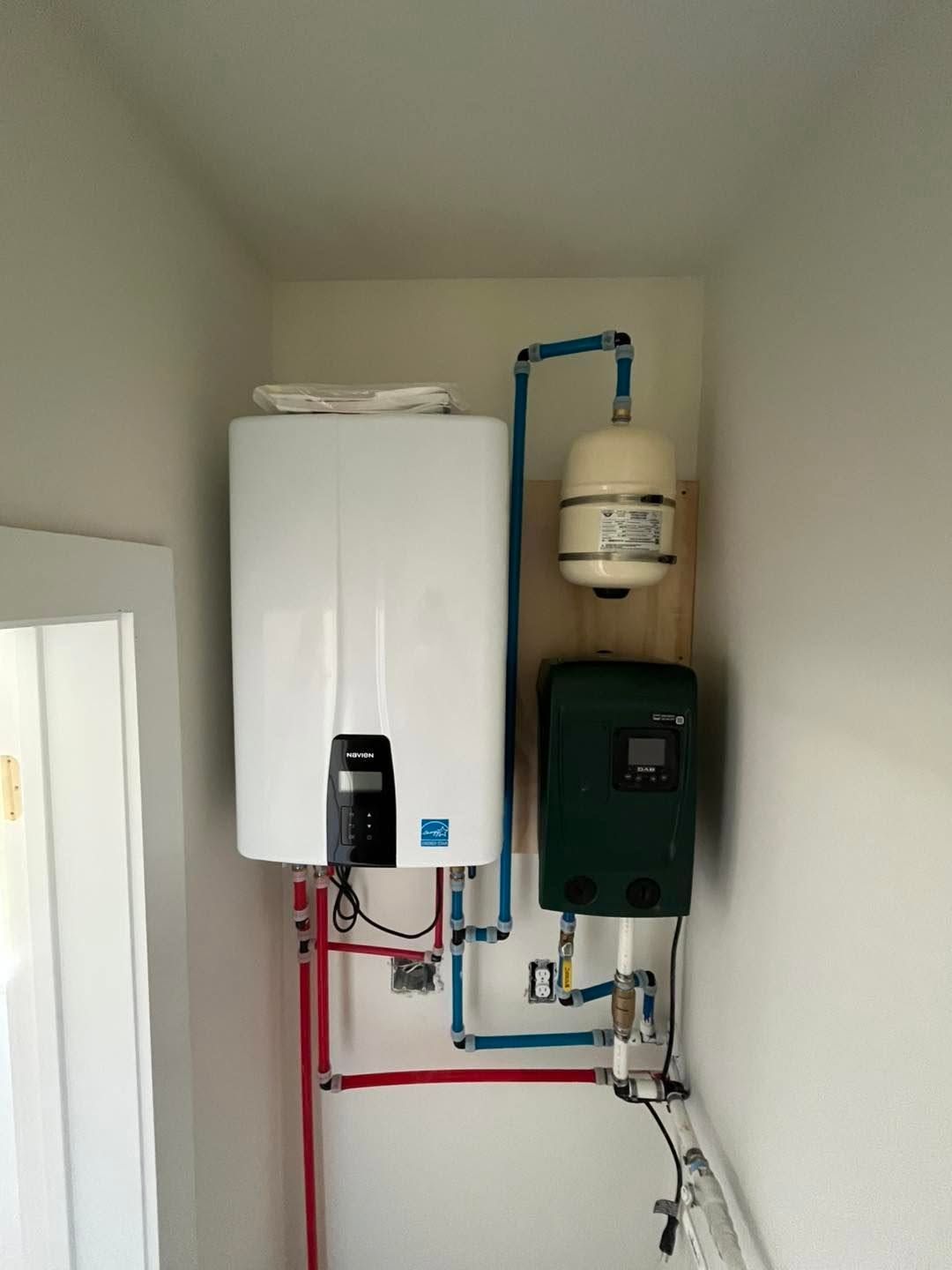
On a well-fed property, the supply arrangement may include a pump, pressure tank, controls, treatment equipment, and household piping. A pressure complaint does not identify which component is responsible.
The National Ground Water Association's homeowner resources explain that well pressure problems can involve the system's components and water demand. A qualified professional should evaluate the cause before settings are changed or new equipment is selected. Do not open electrical controls, adjust pressure switches, or assume that a larger pump is the answer.
Dan's can discuss water supply lines and well-related plumbing connections. Describe the system when requesting an estimate so the appropriate scope and any specialist coordination can be confirmed.
Does the problem appear only during busy periods?
Record what is running when flow drops: showers, laundry, outdoor water use, or several fixtures together. A home used by two people on weekdays may have different demands when guests fill every bedroom. This matters when planning a renovation or converting how a property is used.
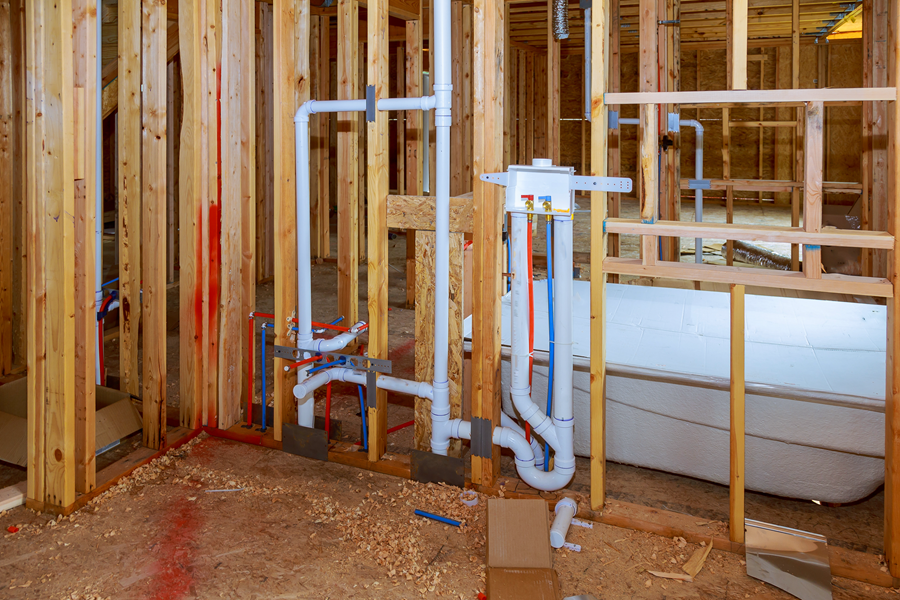
If you are adding a bathroom or revising the layout, discuss supply capacity before fixtures are ordered. Reviewing demand and routing as part of whole-house plumbing planning can help define the work required.
Low water pressure questions
Will turning up the well pressure switch solve it?
Not necessarily. The cause must be established, and adjustments can affect the equipment and piping. Leave controls to a qualified professional.
What if only hot water is weak?
Report that distinction. It helps direct the review toward the hot-water side without proving a specific fault.
What information should I send?
Include the location, water source, affected fixtures, start date, recent work, and any visible leakage.
Further reading: NGWA WellOwner guidance on water pressure.
Related plumbing guides
Discuss your plumbing project
Call Dan's Plumbing Repair LLC at (706) 635-5760 or request an estimate. View our North Georgia service area and confirm coverage for your property. Office hours are Monday through Friday, 8:00 AM to 5:00 PM. Contact the office for current scheduling; an estimate request does not create an appointment.